
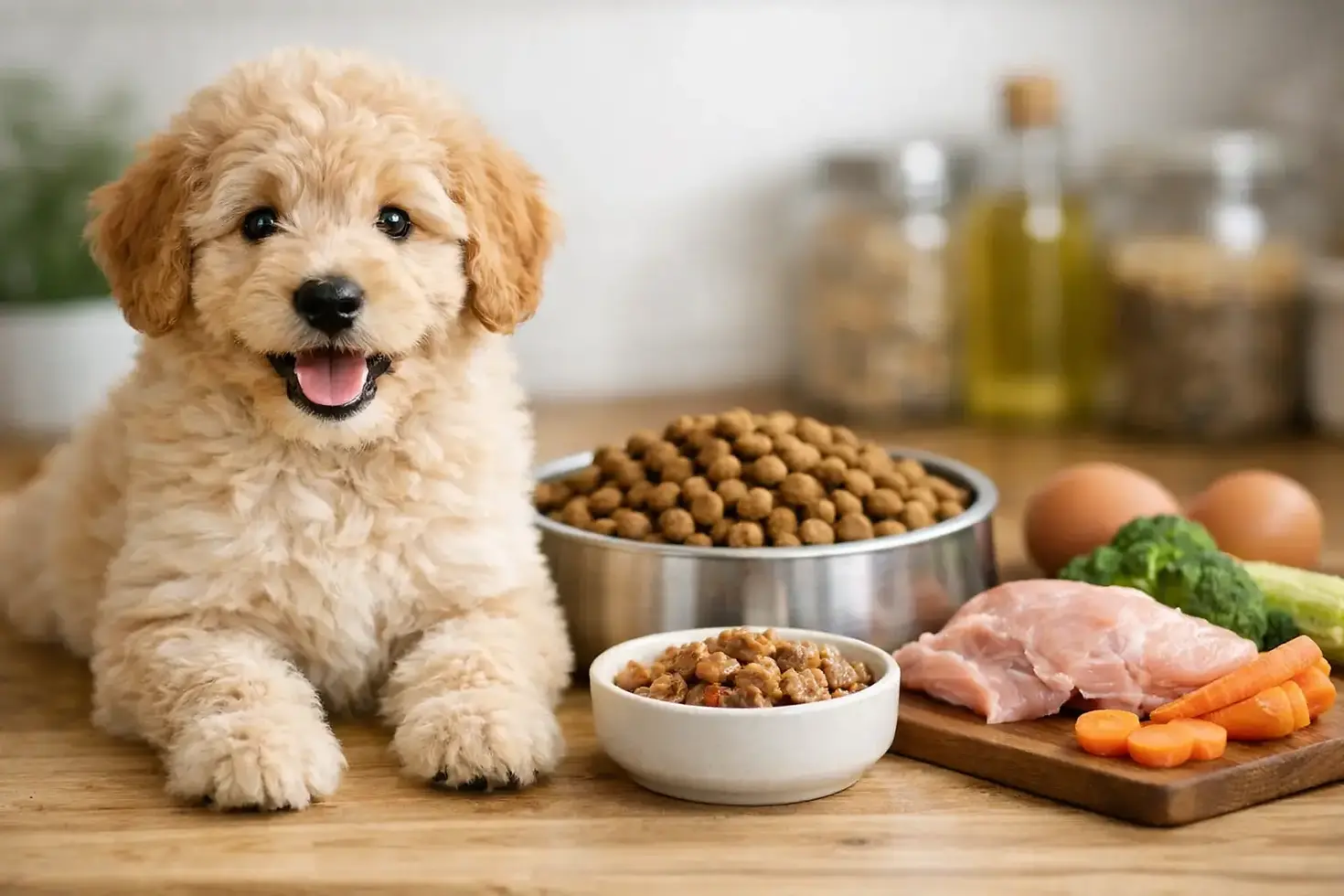
Best Goldendoodle Puppy Food Choices
Bringing home a doodle puppy is exciting, but feeding one can get confusing fast. If you are searching for the best goldendoodle puppy food, you have probably already noticed how many formulas promise perfect growth, shiny coats, and happy tummies. The truth is simpler. A great puppy food should support steady growth, gentle digestion, healthy brain development, and the kind of energy that fits a playful, highly intelligent family companion.
Goldendoodle puppies are a mix of two wonderful breeds, and that usually means you can see traits from both sides show up at mealtime. Some puppies eat just about anything without a problem. Others have sensitive stomachs, itchiness, loose stools, or picky eating habits. That is why the right food is not just about choosing an expensive bag. It is about choosing a formula that matches your puppy’s age, size, and digestion.
What the best goldendoodle puppy food should include
A growing Goldendoodle needs puppy-specific nutrition, not adult dog food and not a one-size-fits-all formula chosen just because the packaging looks nice. Look for a food labeled for growth or for all life stages, with complete and balanced nutrition for puppies. That matters because puppies need more calories, more protein, and the right balance of calcium and phosphorus while their bones, joints, and brains are developing.
Protein should come from clearly named animal sources like chicken, turkey, lamb, salmon, or beef. Fat matters too, especially for brain development and energy. DHA is a big plus for puppies because it supports the brain and eyes during these early months. You also want digestible carbohydrates, helpful fiber, and a formula that includes vitamins and minerals in balanced amounts.
Ingredients lists can still be tricky. Some puppies do very well on chicken-based food, while others seem more comfortable on lamb or salmon. There is no single ingredient that works for every doodle. What you are really looking for is consistent quality and a puppy that is thriving on it.
Best goldendoodle puppy food by puppy size and needs
Goldendoodles can vary a lot in adult size. A smaller mini may mature very differently than a standard Goldendoodle, and that changes how you think about food. Mini and medium puppies usually do well on regular puppy formulas with kibble that is easy to chew. Standard Goldendoodles may benefit from a large breed puppy formula, especially if they are expected to be on the bigger side as adults.
That large breed detail matters more than many families realize. Bigger puppies grow for longer, and growth that happens too fast can put extra stress on developing joints. A large breed puppy food is designed to support more controlled growth rather than rapid weight gain.
If your puppy has a sensitive stomach, the best choice may not be the trendiest one. Foods with simpler ingredient panels, moderate fat levels, and easily digested proteins often work better. If your puppy is itchy or frequently licking paws, your veterinarian may suggest trying a different protein source or checking for environmental triggers before assuming food is the problem.
Dry, wet, or fresh food?
Most Goldendoodle puppies do very well on quality dry kibble. It is convenient, easy to portion, and often the most practical choice for families with busy routines. Kibble also makes it easier to monitor intake, which is helpful during the fast-growing puppy months.
Wet food can work well for puppies that need encouragement to eat, and some families like using it as a topper rather than the full meal. Fresh food diets can be appealing too, especially for owners who want minimally processed meals, but they need to be complete and balanced for puppies. Homemade feeding without veterinary guidance is where good intentions can turn into nutritional gaps.
There is no prize for choosing the fanciest option. The best format is the one your puppy digests well, eats consistently, and thrives on over time.
Signs your puppy is doing well on a food
A healthy Goldendoodle puppy usually tells you a lot without words. Good energy, steady growth, a soft coat, bright eyes, and firm stools are all encouraging signs. Mealtime should feel eager but not frantic, and your puppy should stay lean rather than roly-poly.
Many families assume a chubby puppy is an especially healthy one, but that is not always true. Extra weight can be hard on growing joints, especially in larger doodles. You should be able to feel the ribs without pressing hard, even if that fluffy coat makes your puppy look bigger than they are.
On the other hand, if your puppy has ongoing loose stool, frequent gas, repeated ear irritation, vomiting, or a poor appetite, the food may need a second look. Sometimes it is the formula. Sometimes it is overfeeding, too many treats, a sudden switch, or the stress of a new environment.
How to switch to a new puppy food
When changing foods, slower is usually better. A sudden switch can upset even a sturdy puppy stomach. Start by mixing a small amount of the new food into the current food, then gradually increase the new formula over about seven to ten days. If your puppy has a particularly sensitive stomach, take even longer.
This is also why consistency matters after bring-home day. Puppies already have a lot to adjust to when they join a new family. Keeping meals predictable can help them settle in more comfortably. Once your puppy is fully adjusted, you can decide whether staying with the same food or transitioning makes the most sense.
At Pawfect Doodles, that early stability is something we truly value because healthy routines help set puppies up for a happy start.
Common feeding mistakes with Goldendoodle puppies
One of the biggest mistakes is overfeeding. Goldendoodles are adorable, expressive, and very good at convincing people they are starving five minutes after a meal. Following the feeding guide on the bag is a starting point, not a rule carved in stone. Your puppy’s age, metabolism, activity level, and expected adult size all matter.
Another common issue is too many extras. Treats, training rewards, table scraps, chew calories, and food toppers can add up quickly. In a smart, social breed like the Goldendoodle, training happens often, so those little rewards need to be counted.
The third mistake is chasing every trend. Grain-free, boutique, raw, limited ingredient, fresh, ancient grains - it can feel endless. Some puppies do beautifully on specialty diets, but many do best on a straightforward, well-made puppy food. Choosing based on your puppy’s actual response is usually smarter than choosing based on social media buzz.
Ingredients families often ask about
Chicken is one of the most common proteins in puppy food, and plenty of doodles do well on it. If your puppy seems uncomfortable, a different protein may be worth trying, but chicken itself is not automatically a problem.
Salmon and fish oil are popular because they can support skin and coat health. That can be especially appealing for doodle owners who love a soft, fluffy coat. Just remember that coat condition reflects overall health, grooming, and genetics too, not just food.
Grains are another big question. Unless your puppy has a specific sensitivity, grains can be a perfectly healthy part of the diet. Rice, oatmeal, and barley are often easy to digest. Grain-free is not inherently better for every dog, and it should be chosen thoughtfully rather than automatically.
Probiotics can be helpful for digestion, especially during transitions. Some puppy foods include them, and in some cases your veterinarian may recommend a separate supplement. That said, probiotics are supportive, not magic. They work best alongside a food your puppy already tolerates well.
How often should a Goldendoodle puppy eat?
Young puppies usually do best with three meals a day. That schedule helps support energy, digestion, and steady growth. As your puppy gets older, many families gradually move to two meals a day, often sometime around six months depending on the puppy and your veterinarian’s advice.
Try to keep meals on a routine. Goldendoodles are smart and tend to settle beautifully into family rhythms. Predictable feeding times can also help with potty training, which is always a welcome bonus.
Water should be available throughout the day, and fresh water matters just as much as the food in the bowl. Puppies play hard, grow quickly, and need good hydration to keep up.
Choosing with confidence
Finding the best goldendoodle puppy food does not mean finding a universally perfect brand. It means choosing a balanced puppy formula that fits your puppy’s size, supports healthy growth, and agrees with that individual tummy. A food that works beautifully for one Goldendoodle may not be the best fit for another, and that is completely normal.
If you are ever unsure, start with the basics. Choose a quality puppy food, make changes slowly, watch your puppy’s body condition, and pay attention to digestion, energy, and coat health over time. Those everyday signs usually tell the clearest story.
The best feeding plan is one that helps your puppy grow into the happy, healthy, affectionate companion you imagined bringing home, and a little consistency at the food bowl goes a long way.


Comments